Daftar Isi
A pouch spout that empties juice quickly on a sample bench can still drip into a customer's hand or stop flowing when pulp reaches the opening. The useful specification is therefore a dispensing task: transfer a defined portion into the intended cup, with an acceptable level of interruption and residue, at the temperatures where the juice will be used.
For a juice pack, begin with the formulation and the receiving container before choosing a nominal neck size. This guide explains how to compare a pouch spout using the actual internal passage, cap, film and pouring motion. It also shows what a supplier needs to reproduce a successful sample without turning one demonstration into a promise for every beverage.
Specify the pouch spout task before its diameter
Write a short description of the consumer action. Will the user pour a whole pouch into a jug, serve several portions, or transfer juice through a narrow bottle opening? Those tasks can favor different combinations of outlet size and closure. A fast emptying time is useful only when the stream remains controllable and lands where the user expects.
Record the starting fill, desired portion, receiving opening and intended hand position. Define the juice temperature and whether the formulation contains pulp. Include the nearly empty state, because folding film can change the flow path. This task description becomes the common basis for every pouch spout sample, including versions that look similar in catalogue photographs.
Keep product safety and processing requirements in the project brief as separate conditions. A dispensing comparison does not qualify a pouch spout for a hot-fill process, establish microbiological shelf life or show that an opening is suitable for a particular age group. The responsible product team should identify those requirements before the packaging trial begins.
Distinguish nominal size from the complete flow path
A catalogue diameter helps identify a component, but the narrowest part of the internal passage may occur somewhere else. Inspect the entry from the pouch, the neck bore, any internal transition and the cap outlet. A dispensing insert can restrict the stream even when the neck itself is wide. Ask for a section drawing rather than estimating the passage from the external thread.
For a circular passage, cross-sectional area changes with the square of diameter. This geometric relationship explains why a small diameter difference deserves attention, but it does not predict the actual juice flow. Viscosity, pressure, passage length, cap geometry and pouch collapse all influence the result. Use geometry to shortlist a pouch spout, then use dispensing measurements to select it.
Check the physical sample against the drawing. A lip, molding flash or an abrupt internal step can matter more than the stated diameter suggests. Retain the sample identity and cavity mark where available. That record lets the supplier investigate an unusual pouch spout without confusing a local production defect with the behavior of the whole design.
Build a pouch spout sample set for the formulation
Clear juice and juice with pulp should not share an approval merely because their ingredient labels describe the same fruit. Particles differ in size, shape and concentration, and fibers can bridge a transition. Obtain representative production product rather than filtering a difficult batch until it pours neatly. Record the batch and its normal serving condition.
Temperature can change the dispensing task, particularly for viscous formulations. Compare the conditions relevant to distribution and use rather than adopting an arbitrary laboratory temperature. If customers refrigerate an opened pack, include that state in the pouch spout trial. Keep an ambient control so that a temperature effect can be distinguished from a different sample configuration.
Use water for an initial equipment or setup check if useful, but label that check accurately. A water run can reveal a gross obstruction or a badly aligned component. It cannot replace a pulp-containing juice trial, and it does not establish how product residue will affect the pouch spout after several opening and closing events.
Compare pouch spout configurations without changing everything
Choose a reference configuration and change one feature deliberately when the goal is to understand its effect. Keep the juice, film, fill and pouring task constant while comparing an outlet or cap. If an alternative requires a different flange or material, record that difference. The result may support the whole revised pack while giving less evidence about the diameter alone.
| Option | Decision value | Evidence to request |
|---|---|---|
| Smaller passage | May support a controlled stream for a thin juice | Check interruptions, pouring effort and retained product |
| Larger passage | May reduce a restriction for a particular formulation | Check splashing, stream control and compatibility with the receiving opening |
| Different dispensing cap | Can change the final outlet without changing the neck family | Check residue, first opening, repeated use and cap engagement |
The table describes questions to test rather than universal rankings. A smaller pouch spout is not automatically more precise, and a larger one is not automatically easier to use. The cap and the consumer motion can reverse those expectations. Choose the combination that delivers the required portion with a repeatable, ordinary hand movement.
Measure dispensing, interruption and residue separately
Start each comparison with an identified filled pack and the same receiving container. Weigh the pack before and after a defined pouring task, and record elapsed time. Observe whether the stream pauses, changes direction or requires repeated squeezing. Keep the pouring angle and starting fill consistent enough for the measurements to explain the differences among samples.
For the pouch spout residue check, distinguish juice left inside the pack from juice left on the neck. Weigh retained fill if that matters to the product brief, then photograph the outlet and cap contact surfaces. A configuration can leave little juice in the pouch while making the closure messy. Those are separate outcomes and should remain separate in the comparison.
Repeat the task with a partially emptied pack and after the intended reclosure interval. Film folds, headspace and hand position can change as the pack empties. When a pouch spout blocks, retain the sample and inspect where the blockage formed. Do not clear it and continue recording the sample as if uninterrupted flow had occurred.

Check the closure and flange after the pouring trial
Dispensing puts product onto surfaces that were clean during assembly. Close the cap after the trial and inspect engagement, opening effort and leakage using the project method. Record cross-threading or incomplete closure separately from a damaged sealing surface. A pouch spout should be evaluated after realistic product contact, not only as a clean loose component.
Inspect the flange-to-film area as a different interface. If a filled pack leaks, identify whether the first wet point is at the cap, fitment attachment or another pouch seam. Cleaning external fill residue before a leak observation helps avoid false conclusions. Increasing cap torque cannot repair a channel in the pouch spout attachment seal.
Finally, observe how the user holds the pack. An awkward grip can pull the neck to one side and change the stream. If the issue disappears when a technician supports the pouch differently, investigate the pack layout and task before changing the bore. The approved pouch spout needs to work in the intended package, with the intended handling.
Give the supplier a reproducible pouch spout brief
Send the dispensing task, juice identity, pulp description, temperature conditions and receiving-container information with the RFQ. Include the current film construction, fitment drawing and cap configuration. Explain which observation is unsatisfactory and attach the labeled sample record. “Improve flow” is less useful than showing where the stream pauses and under what conditions.
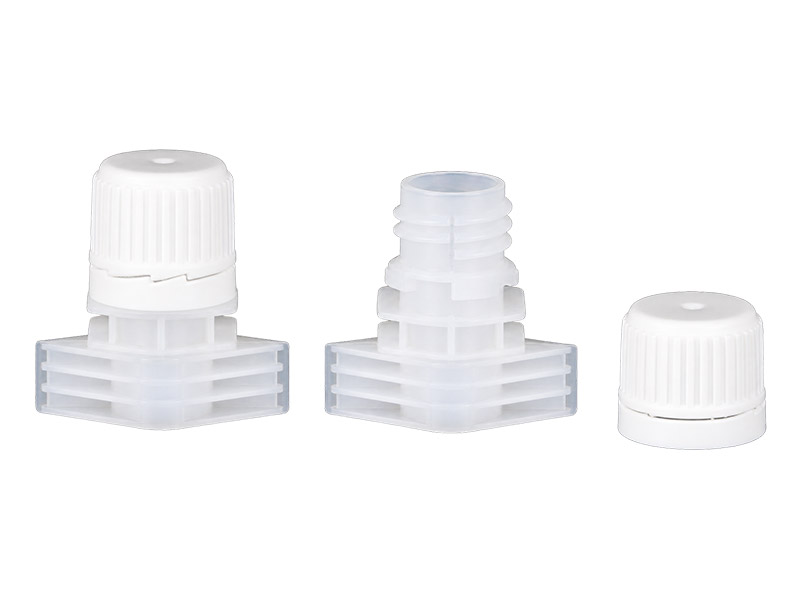
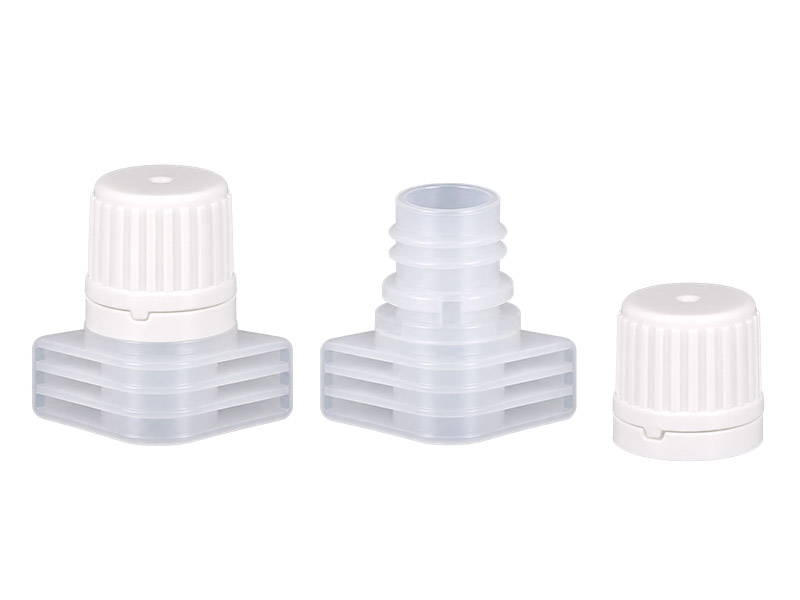
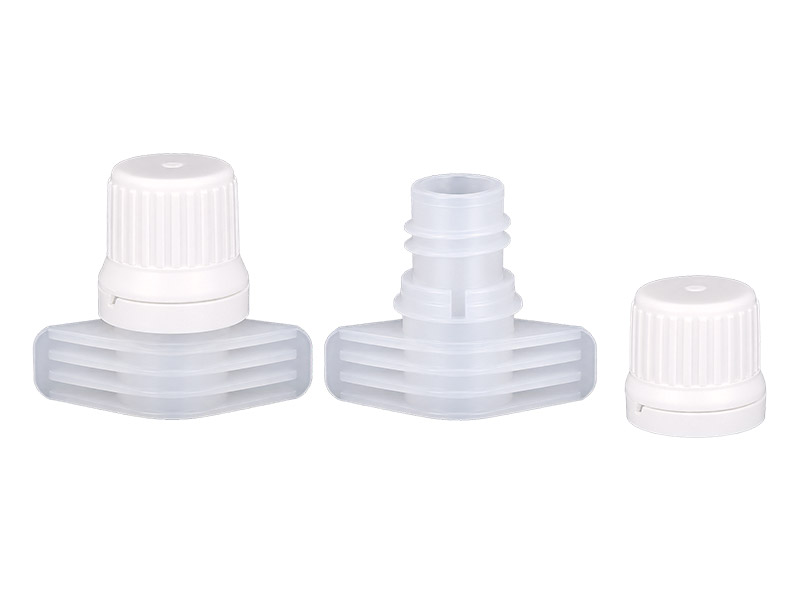
The Hongda catalogue includes an 8.6 mm spout and a 9.6 mm spout. These are sample candidates, not a guarantee that either size suits the juice. Confirm the supplied drawing, material, closure and internal path before comparing the complete pack.
For a food-contact project, obtain material documentation for the actual supplied configuration and intended use. The FDA guide to food-contact material components provides context for that documentation discussion. Keep regulatory review separate from the dispensing result: a successful pouch spout pour does not establish every material or processing requirement.
Approve the complete pack and preserve the decision
An approval record should show why the selected pouch spout meets the task. Retain the drawing revision, material identity, filled samples, pouring records and the cap and flange observations. State which juice formulations and use temperatures were tested. Leave other products outside the approval until the relevant differences have been evaluated.
At the filling-line trial, confirm feeding, neck location, sealing and capping as well as dispensing. A useful outlet can still be difficult for the equipment to handle. Identify startup and stable-running samples, and compare them against the approved reference. If the machine requires a different cap or fitment structure, treat that as a controlled configuration change.
At reorder, ask about changes to the resin, cap, bore, flange or tooling that could affect the result. Check incoming samples against the retained reference and repeat the affected evaluations when a change occurs. This turns pouch spout selection into a decision the team can reproduce, instead of an attractive sample that nobody can confidently order again.
Diskusikan proyek kemasan Anda
For pouch spout sample discussions, send Hongda your product, pack drawing, material, intended fill or carried mass and the bore sizing question you need to resolve. Include the evidence required for dispense time and residue. Review the packaging applications atau hubungi tim to agree a relevant sample and quotation brief.
Pertanyaan yang sering diajukan
Which pouch spout diameter is best for juice?
There is no universal size. Choose against the actual juice, pulp, serving temperature and pouring task. Inspect the complete internal path and cap outlet, then compare controlled pours into the intended receiving container.
Can a water test approve a pouch spout for pulpy juice?
A water run can check setup and gross obstruction, but it does not reproduce pulp bridging, formulation viscosity or residue. Use representative production juice for the functional approval.
Does a larger pouch spout always pour faster?
A larger nominal diameter can offer more area, but the cap, internal transitions, product and pouch collapse may still limit flow. Measure the complete configuration rather than predicting performance from diameter alone.
Why should a pouch spout be checked after partial emptying?
Film folds, headspace and hand position change as the pack empties. A partly empty trial can reveal interruptions or uncontrolled discharge that a full-pouch demonstration misses.
What evidence should accompany a pouch spout RFQ?
Provide the product and film information, cap and fitment drawing, use temperatures, pouring task and labeled trial records. Identify the problem and the measurement that will show whether a proposed alternative resolves it.